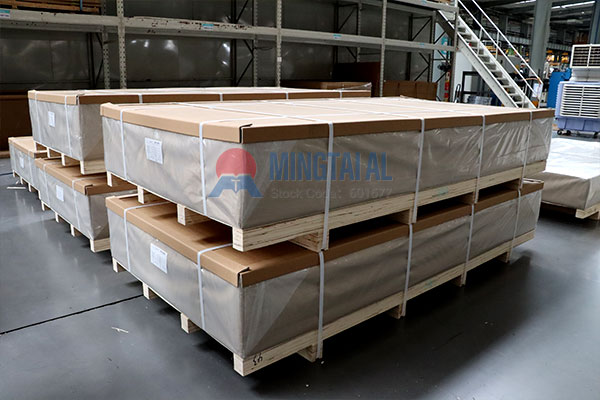
5086 h116 aluminum plate
In marine engineering and shipbuilding, material corrosion resistance directly determines structural safety and service life. Seawater chlorides aggressively attack most metals, with pitting, intergranular corrosion, and exfoliation corrosion being common failure modes. 5086 H116 aluminum plate is designed specifically to address these challenges.
What Is 5086 H116?
5086 belongs to the Al-Mg series (5xxx) of aluminum alloys, with magnesium content of 3.5%–4.5%, and further improved by additions of manganese and chromium. It is a non-heat-treatable alloy – strength is obtained through cold working (strain hardening), not heat treatment.
H116 is a specific strain-hardened temper developed especially for 5xxx series alloys. Its primary goal: significantly enhance resistance to exfoliation corrosion and intergranular corrosion in marine environments.
Why H116 Temper Matters
In 1968, corrosion issues observed in marine aluminum applications directly prompted the development of the H116 temper. This temper enables the material to pass two critical corrosion tests:
- ASTM G66 – Exfoliation corrosion test, evaluating resistance in marine environments
- ASTM G67 – Intergranular corrosion test (nitric acid mass loss method), detecting grain‑boundary susceptibility
5086 H116 performs well in these tests, making it a proven marine‑grade material. Note: The excellent properties come from its alloy composition and H116 temper itself; no additional surface treatment or reprocessing is applied to the plates.
Balancing Mechanical Strength and Corrosion Resistance
Corrosion protection is the core advantage, but strength is equally important. Typical mechanical properties in the H116 temper include:
- Tensile strength (ultimate): not less than 275 MPa
- Yield strength: not less than 195 MPa
- Elongation: not less than 10%
In seawater, the corrosion rate remains very low. Long‑term marine exposure tests have shown no exfoliation or pitting attack on 5086 H116.
5086 H116 vs. 5083 H116 – Which One to Choose?
This is a common question during material selection. Both are high‑magnesium alloys with similar properties but slightly different emphases:
|
Aspect |
5083 H116 |
5086 H116 |
|
Tensile strength |
Slightly higher |
Moderate |
|
Corrosion resistance |
Excellent |
Equally excellent |
|
Formability |
Good |
Better |
Selection guide: Choose 5083 when higher strength is the priority. Choose 5086 H116 when a better balance of corrosion resistance and formability is needed. Both fully meet marine corrosion requirements.
Applicable Standards and Classifications
5086 H116 aluminum plate complies with key standards:
- ASTM B928 – Specific standard for marine‑grade high‑magnesium aluminum alloy products, suitable for hull structures and long‑term seawater exposure
- ASTM B209 – General standard for aluminum and aluminum‑alloy sheet and plate
- EN 485‑2 – European standard for aluminum products
H116 and H321 are the only tempers certified under ASTM B928 for seawater service. The plate also satisfies classification society requirements including ABS, DNV, LR, and CCS.
Typical Applications and Available Specifications
This alloy is widely used in:
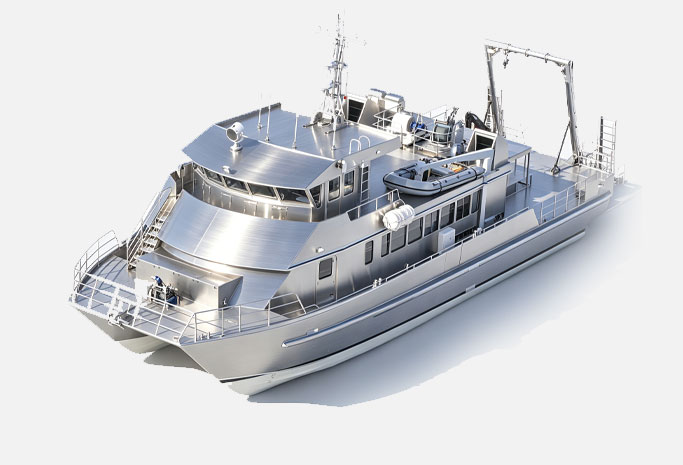
- Shipbuilding – hull structures, shell plating, side and bottom outer plates
- Offshore engineering – platforms and floating structures
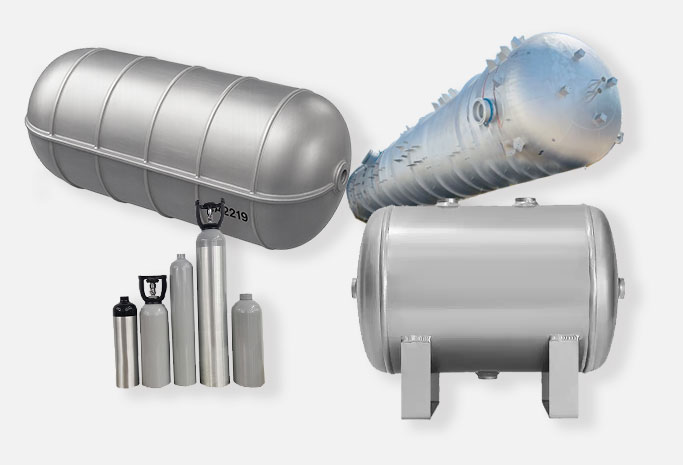
- Pressure vessels – welded pressure equipment requiring corrosion resistance
Available size range:
- Thickness: 1.50 mm to 120 mm
- Width: up to 2600 mm
- Length: 1000 mm to 16000 mm
- Tempers: O, H111, H112, H116, H321, etc.
Long‑Term Reliability in Marine Service
5086 H116 aluminum plate is a field‑proven solution for marine corrosion protection. It delivers excellent seawater corrosion resistance, good strength, reliable weldability, and recognized classification approvals – making it a solid choice for shipbuilding and offshore projects.
Mingtai Aluminum supplies 5086 H116 aluminum plate in full compliance with ASTM B928 and other marine standards, with a wide range of specifications and the ability to meet various classification society requirements.
FAQ
Q: Which classification societies approve 5086 H116 aluminum plate?
A: It meets ABS, DNV, LR, and CCS requirements.
Q: What is the main difference between 5086 H116 and 5083 H116?
A: 5083 offers slightly higher strength, while 5086 provides a better balance of corrosion resistance and formability.
Q: How does H116 differ from H32 temper?
A: H116 is specifically designed for 5xxx alloys to optimize exfoliation and intergranular corrosion resistance – it is one of the ASTM B928‑certified tempers.
Q: What thickness range is available for 5086 H116?
A: Standard thickness ranges from 1.50 mm up to 120 mm.
Q: Where is 5086 H116 typically used?
A: Hull structures, shell plating, offshore platforms, pressure vessels, and any application with prolonged seawater or marine atmosphere exposure.