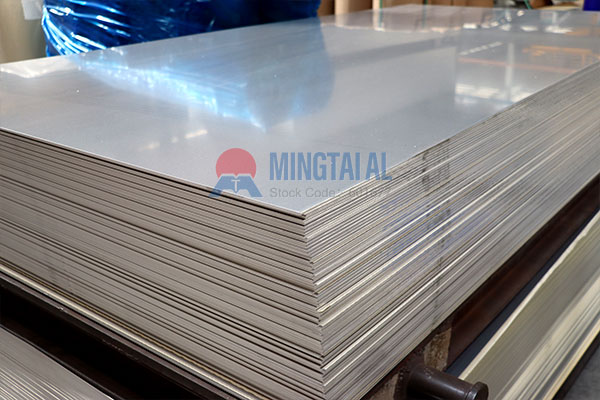
5083 h321 aluminum plate
5083 H321 aluminum plate is widely recognized as a leading material for marine and offshore structures. It belongs to the Al‑Mg family (magnesium content 4.0–4.9%) and delivers an optimal balance of high strength and exceptional corrosion resistance. The H321 temper – achieved by strain hardening followed by a stabilising treatment – ensures superior thermal stability and resistance to stress‑corrosion cracking, making it particularly suitable for harsh seawater environments.
Core Mechanical Properties
- Tensile strength: 305–385 MPa
- Yield strength (≥): 215 MPa
- Elongation (≥): 10%
- Density: ~2.7 g/cm³ (only one‑third that of steel, offering significant weight savings)
- Thickness range: 0.3 mm – 500 mm
- Width range: up to 2650 mm – wide plates reduce the number of welded seams, improving structural integrity and lowering corrosion risks.
These properties enable the material to reliably carry structural loads while substantially reducing hull weight.
Why Does 5083 H321 Resist Seawater Corrosion?
Chloride ions in seawater are a primary threat to aluminium, but the high magnesium content of 5083 promotes the formation of a dense alumina‑magnesia passive film that effectively blocks chloride attack. Equally important is the microstructure in the H321 temper:
- AlMg compounds do not precipitate continuously along grain boundaries, eliminating intergranular corrosion paths.
- Passes ASTM G66 (ammonium chloride test) – no evidence of exfoliation corrosion.
- Passes ASTM G67 (nitric acid test) – no intergranular corrosion detected.
This combination ensures long‑term reliability in splash zones, tidal areas, and fully immersed conditions, with excellent resistance to stress‑corrosion cracking.
Weldability and Fabrication
5083 H321 aluminium plate exhibits excellent weldability with low crack susceptibility and high joint efficiency. Common welding methods include:
- MIG (gas metal arc welding)
- TIG (gas tungsten arc welding)
- Friction stir welding
- Laser welding
Joint strength typically reaches over 90% of the base metal, and the heat‑affected zone undergoes only limited softening – a clear advantage for large hull section assembly.
> Note: The plates described here are supplied in the mill‑finished condition. No surface coating, anodising, cutting, or punching services are included.
H321 vs H116 – Which One to Choose?
This is one of the most frequent questions in marine aluminium procurement. Both tempers share the same chemistry and similar mechanical properties, but the key differences are summarised below:
|
Aspect |
5083-H116 |
5083-H321 |
|
Processing |
Cold‑rolled + low‑temperature stabilisation; passes exfoliation tests |
Stabilised tempering – lower internal stress and better flatness |
|
Dimensional stability |
Good |
Superior – less distortion under high temperatures or cyclic loading |
|
Strength level |
Baseline |
Approximately 5% higher |
|
Ductility |
Good |
Slightly improved |
|
Typical applications |
Conventional hull plates, decks, bulkheads |
LNG tanks, hot‑service components, structures requiring tight dimensional control |
For projects involving elevated temperatures, cyclic loading, or stringent long‑term dimensional accuracy, H321 is the preferred option.
Class Approvals and Standard Compliance
Marine‑grade 5083 H321 must meet ASTM B928/B928M – the dedicated shipbuilding specification that imposes stricter corrosion testing and traceability requirements than general standard ASTM B209. In addition, the material should carry approvals from one or more of the following major classification societies:
- CCS (China)
- ABS (USA)
- DNV (Norway)
- LR (UK)
- BV (France)
These certifications verify that chemical composition, mechanical properties, and corrosion resistance fully comply with marine regulations – essential for design review and final vessel acceptance.
Typical Application Areas
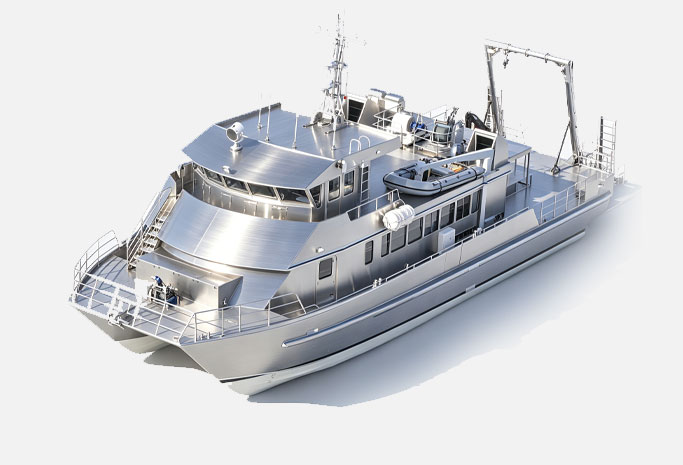
- Shipbuilding and offshore engineering: hull shells, decks, bulkheads, bottom plating, engine foundations
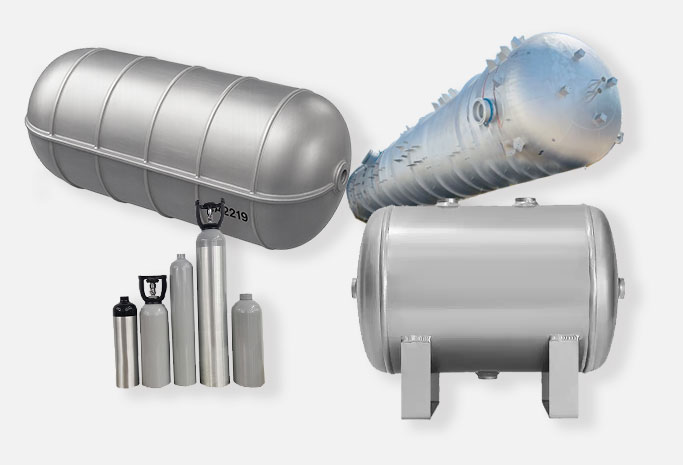
- LNG storage tanks and pressure vessels
- Offshore platform structures
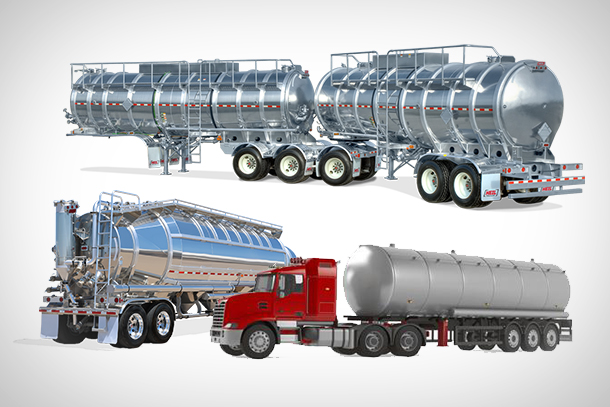
- Polar‑class vessels and cryogenic transportation equipment
FAQ
Q1: What is the difference between 5083 H321 and H116?
H321 offers lower internal stress, better flatness, and higher strength – ideal for large hull plates and LNG tanks where dimensional stability is critical.
Q2: Can 5083 H321 be welded?
Yes, it supports MIG, TIG, friction stir, and laser welding, with joint strength exceeding 90% of the base metal.
Q3: Which standard must marine 5083 H321 comply with?
It must meet ASTM B928/B928M, which has specific requirements for exfoliation and intergranular corrosion resistance.
Q4: What is the maximum width available for 5083 H321 plates?
Up to 2650 mm, reducing seams for large marine structures.
Q5: How does 5083 H321 perform in seawater?
It passes ASTM G66 and G67 tests, showing no exfoliation or intergranular corrosion, and performs excellently in marine environments.
Reliable Supply from Mingtai Aluminum
Mingtai Aluminum offers 5083 H321 aluminum plate fully certified to ASTM B928 and approved by leading classification societies. With thicknesses from 0.3 mm to 500 mm and widths up to 2650 mm, we support custom dimensions to meet your project requirements.