5052 vs 5754 aluminum sheet
Introduction
When comparing 5052 vs 5754 aluminum sheet, you'll find two popular 5xxx series alloys widely used in shipbuilding, automotive manufacturing, and industrial fabrication. Both offer excellent corrosion resistance and good weldability, but they serve different priorities. One emphasizes formability—the ability to bend, stamp, and shape into complex parts. The other emphasizes strength—the ability to carry loads and resist stress. This guide breaks down the differences so you can make an informed decision.
Chemical Composition: Where the Difference Starts
The performance gap between 5052 and 5754 comes down to chemistry.
- 5052 Aluminum Sheet contains 2.2%–2.8% magnesium as the main alloying element, plus 0.15%–0.35% chromium to improve stress corrosion resistance. That chromium makes it especially stable in chlorine‑rich environments, like marine climates.
- 5754 Aluminum Sheet has a higher magnesium content—2.6%–3.6%—which gives it greater strength. It also includes manganese (up to 0.50%) to enhance work hardening, and its silicon level is higher than in 5052.
> Key takeaway: 5754 contains about 30% more magnesium than 5052. More magnesium means higher strength, but slightly less ductility.
Mechanical Properties: Strength vs. Ductility
This is where the two alloys really diverge. Here’s how they compare in the most common temper, H32:
|
Property |
5052‑H32 |
5754‑H32 |
|
Tensile Strength (Ultimate) |
~228 MPa |
~240–245 MPa |
|
Yield Strength |
~193 MPa |
~130–150 MPa |
|
Elongation |
~12% |
~8.4% |
What this means in practice:
- 5754 is stronger – its tensile strength is about 5%–7% higher than 5052. If your application involves load‑bearing or structural components, 5754 is the better choice.
- 5052 is more ductile – its elongation is about 43% higher than 5754 in the H32 temper. This means it can be stretched, bent, and deep‑drawn into complex shapes without cracking. For stamping, bending, or deep drawing, 5052 is the way to go.
- Yield strength tells an interesting story – 5052‑H32 actually has a higher yield strength (193 MPa) than 5754‑H32 (130–150 MPa). That means 5052 resists permanent deformation better under load—an advantage in applications like long unsupported spans.
Corrosion Resistance and Weldability
Corrosion resistance: Both alloys perform exceptionally well against seawater and atmospheric corrosion. The difference is situational:
- 5052 – the chromium content makes it more stable in chlorine‑rich environments (marine climates).
- 5754 – the higher magnesium content gives it superior resistance in industrial or acidic environments.
Weldability: Both are weldable, but with different considerations. 5052’s simpler composition minimises crack risks during welding, making it suitable for frequent welding operations. 5754 also offers good weldability, but heat input must be controlled to prevent strength loss.
Typical Applications
Choose 5052 Aluminum Sheet for:
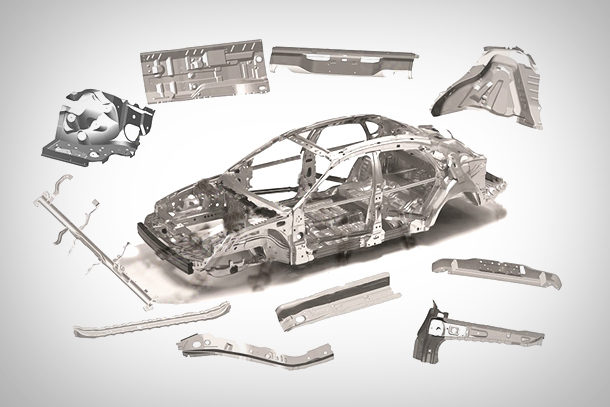
- Automotive fuel tanks and body panels that require complex forming
- Electronic device enclosures and housings
- Sheet metal work, appliances, and lighting fixtures
- Marine components where formability is prioritised
- General fabrication involving stamping, bending, or deep drawing
Choose 5754 Aluminum Sheet for:
- Structural components and load‑bearing applications
- Shipbuilding – deck plates, hull structures, and marine flooring
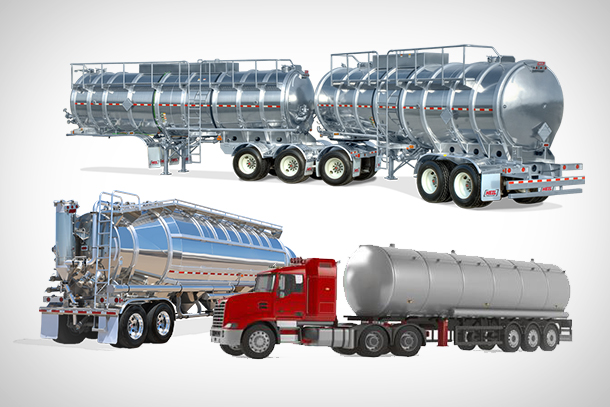
- Pressure vessels and storage tanks
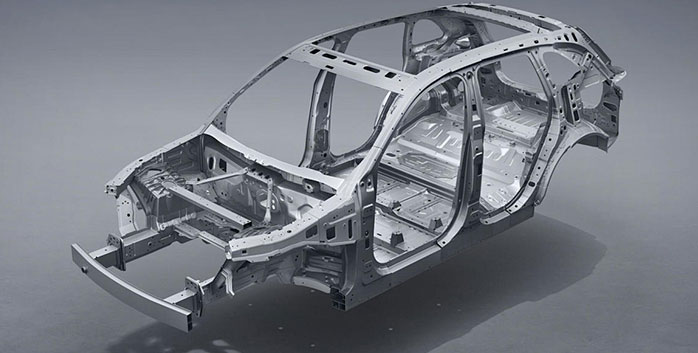
- Automotive doors, body panels, and structural parts
- Applications that demand higher fatigue resistance
Which One Should You Choose?
Here’s a simple decision framework:
- Need complex forming (deep drawing, tight bends, stamping)? → Go with 5052
- Need higher strength (structural parts, load‑bearing)? → Go with 5754
- Working in marine environments with complex shapes? → 5052 (chromium offers better chloride resistance)
- Working in industrial/acidic environments with strength needs? → 5754
- Budget is a concern for large‑volume orders? → 5052 is typically more cost‑effective
A quick rule of thumb: 5052 is the forming alloy—it bends without breaking. 5754 is the strength alloy—it holds up under stress. Choose based on what your project needs most.
So, Which One Is Better?
Neither alloy is “better” than the other—they’re designed for different jobs. The right choice depends entirely on your specific application: the required shapes, the loads involved, the environmental exposure, and your budget. So when weighing 5052 vs 5754 aluminum sheet, focus on your project's forming requirements, strength needs, environmental conditions, and cost considerations.
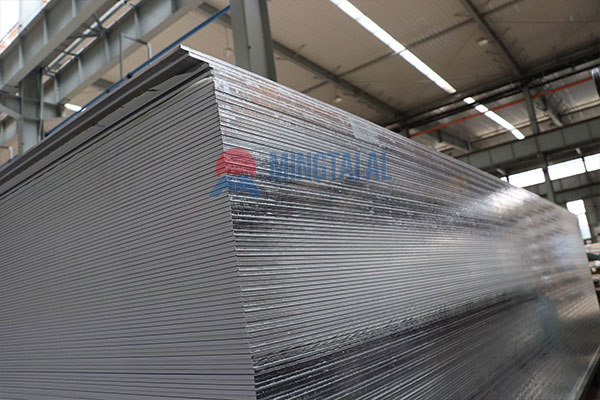
*Henan Mingtai Al. supplies high‑quality 5052 and 5754 aluminum sheets. We focus on production—no surface treatment, no reprocessing—just reliable raw material for your fabrication needs.*
FAQ
Q1: Which is stronger, 5052 or 5754?
A: 5754 has higher tensile strength (about 5%–7% more than 5052 in H32 temper).
Q2: Which is easier to form and bend?
A: 5052 is more ductile and easier to form into complex shapes.
Q3: Which has better corrosion resistance in saltwater?
A: Both are excellent, but 5052 performs more stably in chlorine‑rich marine environments due to its chromium content.
Q4: Is 5754 more expensive than 5052?
A: Yes, 5754 typically costs about 10%–15% more than 5052 for the same specifications.
Q5: Can both alloys be welded?
A: Yes, both offer good weldability—5052 has lower crack risk during frequent welding, while 5754 requires careful heat control.