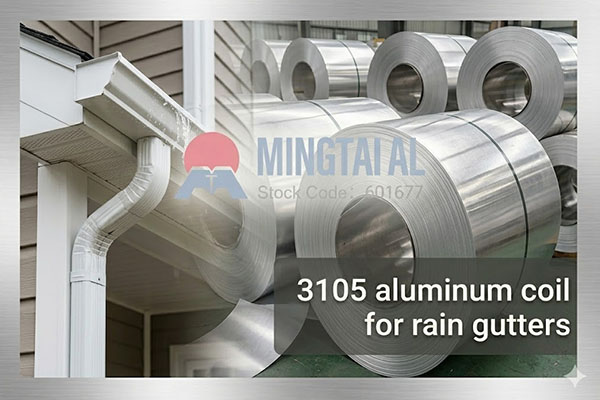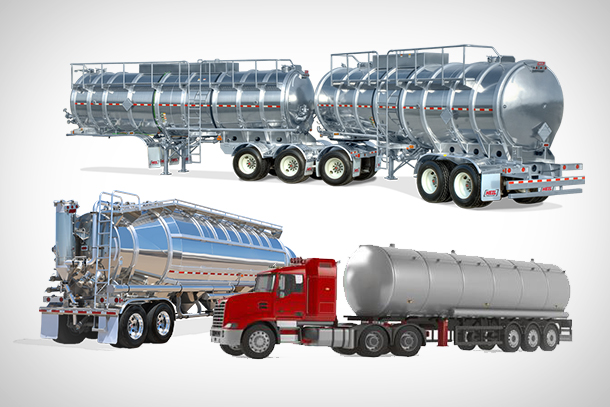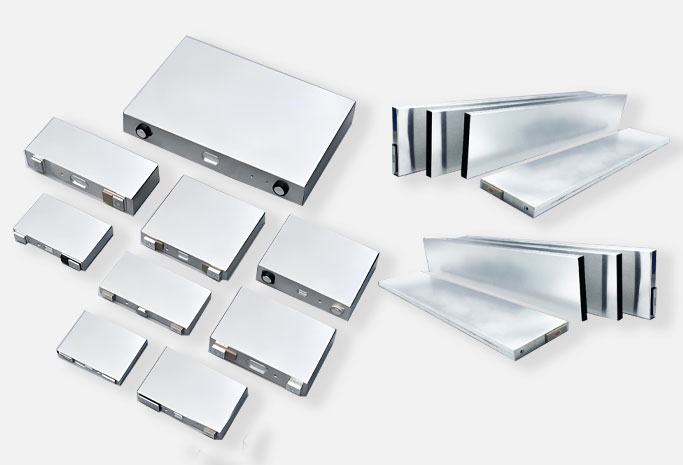
3105 aluminum coil for rain gutters
When it comes to choosing the right material for roofing drainage, 3105 b>aluminum coil for rain gutters has become the go‑to choice for manufacturers worldwide. It doesn’t excel in just one attribute; rather, it strikes a well‑balanced combination of corrosion resistance, formability, strength, and cost. This article breaks down the key questions buyers frequently ask—from alloy performance to thickness selection and sourcing tips.
Why 3105 Sets the Standard for Gutters
The answer lies not in being “the best” at any single property, but in being the most reliable overall. Rain gutters demand a material that can withstand years of outdoor exposure—moisture, temperature swings, and occasional impacts—while being shaped into various profiles without cracking. It also needs enough strength to handle water loads and snow, and it must fit project budgets. 3105 hits all these requirements with remarkable consistency.
Here’s what makes this alloy stand out:
- Excellent rust resistance—manganese promotes a dense oxide layer that repels rain and humidity
- Great formability—can be cold‑bent, stamped, or roll‑formed into K‑style, half‑round, and other shapes without splitting
- Higher strength than pure aluminum (e.g., 1100) and some other 3xxx alloys, providing solid load‑bearing capacity
- Lightweight—about one‑third the weight of steel, easing transport, installation, and structural loads
- Good paint adhesion—pre‑coated finishes stay vibrant and durable over time
In short, 3105 is a well‑rounded alloy—rust‑proof, workable, sturdy, and economical. That’s precisely why it has become the default material for gutter production.
3105 vs. Other Materials: Where Does It Shine?
Comparing options helps clarify the decision.
1. Steel (galvanized): Steel’s Achilles’ heel is rust. Once the zinc coating is scratched, corrosion starts from that point. Aluminum never rusts—that’s the core advantage. Plus, it weighs far less, simplifying handling and installation.
2. Copper: Copper gutters are premium but cost several times more. 3105 delivers similar corrosion resistance and a long service life at a fraction of the price, making it the practical choice for most projects.
3. PVC: PVC is cheap, but it degrades under UV exposure, becoming brittle and faded over a shorter lifespan. Aluminum outperforms it in durability, impact resistance, and fire safety.
3105 vs. 3003 – Which One to Choose?
Both are Al‑Mn anti‑rust alloys, and buyers often hesitate between them. The differences: 3003 is more ductile, suiting complex bends; 3105 is slightly harder, giving cleaner stamped edges, and it usually costs a bit less. For intricate profiles, 3003 may be preferable; for standard gutters with budget in mind, 3105 offers better value.
Thickness Selection: .027, .032, or .040?
Thickness directly affects strength, durability, and cost. The industry uses thousandths of an inch.
- .027 inch (~0.69 mm) – Residential Standard
The long‑standing choice for residential seamless gutters in mild climates. Lowest material cost, lightest weight, and easiest to form. The trade‑off: less dent resistance—ladders, hail, or branches may leave marks.
- .032 inch (~0.81 mm) – Upgraded Option
About 18% thicker than .027, offering noticeably better dent resistance and load capacity. Ideal for snowy or hail‑prone areas and projects requiring extra durability. The cost and weight are moderately higher.
- .040 inch (~1.02 mm) – Commercial / Heavy‑Duty
Designed for commercial buildings, heavy snow loads, or extreme conditions. Maximum impact and deformation resistance, but comes with significantly higher cost and greater forming difficulty.
Practical advice: For most residential jobs, .027 works fine. If you want an upgrade or face harsh weather, .032 strikes the best balance. For commercial or extreme environments, consider .040.
Key Purchasing Considerations
Confirming these specifications before ordering can save future headaches:
- Alloy: Clearly state 3105 and request Material Test Reports (MTRs)
- Temper: H14, H24, or H34 are common—they balance strength and formability
- Thickness: Choose based on project needs
- Width: Match your roll‑forming machine’s requirements
- Coating: If pre‑painted, specify colour (RAL code), coating type (polyester, PVDF, etc.), and film thickness
Also, check whether the supplier follows relevant standards (e.g., ASTM B209) and offers custom slitting or packaging flexibility—these are good indicators of a reliable partner.
Selecting the right 3105 aluminum coil for rain gutters is only the first step—matching it with the proper thickness, temper, and a trustworthy supplier ultimately determines product quality and service life. We hope this guide provides practical insights for your next purchase.
As a leading global aluminium manufacturer, Mingtai Aluminum offers a full range of 3105 coils with flexible customisation in alloy composition, thickness, and width, supporting customers worldwide in producing high‑quality rain gutter systems.
FAQ
Q1: Why choose 3105 over other alloys for gutters?
A: It offers the best overall balance of corrosion resistance, formability, strength, and cost.
Q2: What’s the difference between 3105 and 3003?
A: 3105 is slightly stronger and more cost‑effective; 3003 is more ductile for complex bending.
Q3: Which thickness is recommended for residential gutters?
A: .027″ is standard; .032″ is a durable upgrade for harsh weather.
Q4: Do 3105 gutters rust?
A: No—aluminum forms a protective oxide layer that prevents rust.
Q5: What temper is commonly used for gutter coil?
A: H14, H24, or H34—they balance strength and formability for roll‑forming.
Q6: What should I verify when purchasing 3105 gutter coil?
A: Alloy, temper, thickness, width, coating specs, and request Material Test Reports (MTRs).