1070 aluminum foil purity
In electrical applications, 1070 aluminum foil purity is never a question to skip. It directly determines conductivity, which in turn affects energy loss, equipment efficiency, and service life. For capacitors, battery current collectors, transformers, or EMI shielding, selecting the right purity is the starting point for reliable performance.
Purity Specifications
The core specification of 1070 aluminum foil is clear: aluminium content ≥ 99.70%, with total impurities limited to ≤ 0.30%. This places 1070 among the highest‑purity commercial grades in the 1xxx series. It sits above 1050 (99.5%) and 1060 (99.6%) in purity, yet remains far more economical than 1199 (99.99%), which is typically reserved for lab‑scale or specialty uses.
Impurity Control – The Real Difference
The key to purity lies in strict limits on specific impurity elements. The table below shows the maximum allowed percentages for the most critical ones:
|
Element |
Maximum Content |
|
Silicon (Si) |
≤ 0.20% |
|
Iron (Fe) |
≤ 0.25% |
|
Copper (Cu) |
≤ 0.04% |
|
Manganese (Mn) |
≤ 0.03% |
|
Magnesium (Mg) |
≤ 0.03% |
|
Zinc (Zn) |
≤ 0.04% |
|
Vanadium (V) |
≤ 0.05% |
|
Titanium (Ti) |
≤ 0.03% |
Among these, iron and silicon are the most influential. When dissolved in the aluminium matrix, they scatter conduction electrons and directly reduce conductivity. By keeping the combined Fe+Si level low, 1070 minimises this scattering effect. This is the fundamental difference between 1070 and 1050 – a 0.2% purity gap that translates into measurable differences in resistivity.
Performance Comparison
Higher purity delivers quantifiable performance gains. 1070 aluminium foil typically achieves ≥ 61.5% IACS conductivity, with some lots reaching 62–63% IACS. Its thermal conductivity ranges from 226 to 237 W/m·K.
For perspective:
- 1050 (99.5% purity) – conductivity around 57–61% IACS
- 1070 (99.7% purity) – conductivity ≥ 61.5% IACS
- 1235 (99.35% purity) – conductivity around 58% IACS
In real electrical systems, these differences mean lower ohmic losses, better heat dissipation, and more stable electrochemical performance. For efficiency‑driven designs, the advantage is tangible.
International Standards
1070 aluminium foil is produced in accordance with recognised specifications, including:
- ASTM B209
- EN 573‑3
- GB/T 3190 (Chinese national standard)
- For battery applications, IEC 62133 may also be referenced
These standards cover chemical composition, mechanical properties, and dimensional tolerances, ensuring batch‑to‑batch consistency and full traceability.
Thickness and Form
Thickness is another critical dimension. 1070 foil is available from 0.0053 mm up to 0.2 mm. In battery current collectors, typical thicknesses range from 10 to 20 μm; in electrolytic capacitors, 0.02–0.06 mm is common.
Minimum producible thickness for stable supply is 20 microns (0.02 mm). At this thickness and above, 1070 foil maintains an excellent balance between high‑purity conductivity and adequate mechanical strength.
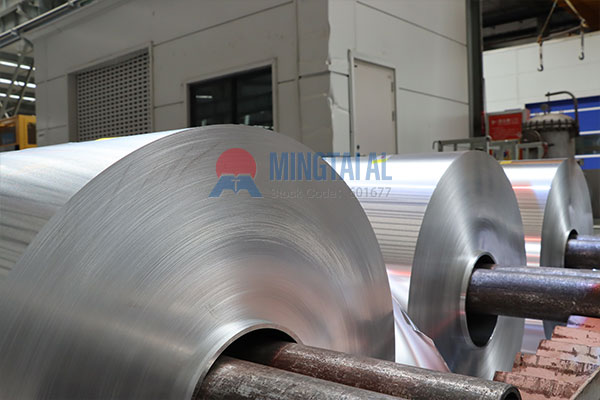
It is important to note that the foil is supplied in its as‑rolled, uncoated state – no surface coating or etching is applied, so the base material quality remains uncompromised.
Typical Electrical Applications
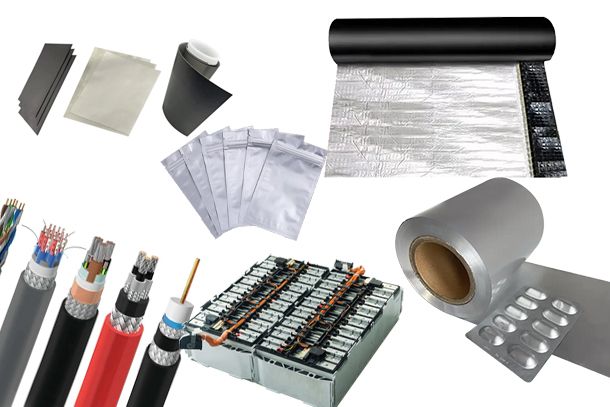
1070 aluminium foil is widely used in the following areas:
- Electrolytic capacitors (anode and cathode foils) – thickness 0.02–0.06 mm – benefiting from uniform etching and dense oxide films
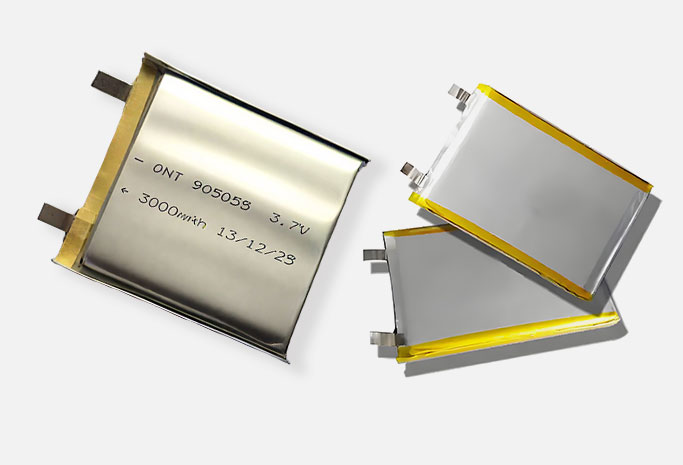
- Lithium‑ion battery current collectors – thickness 10–20 μm – offering low resistance and electrochemical stability
- Transformer and inductor windings – where low resistivity reduces ohmic losses
- EMI shielding – where high conductivity lowers shielding resistance
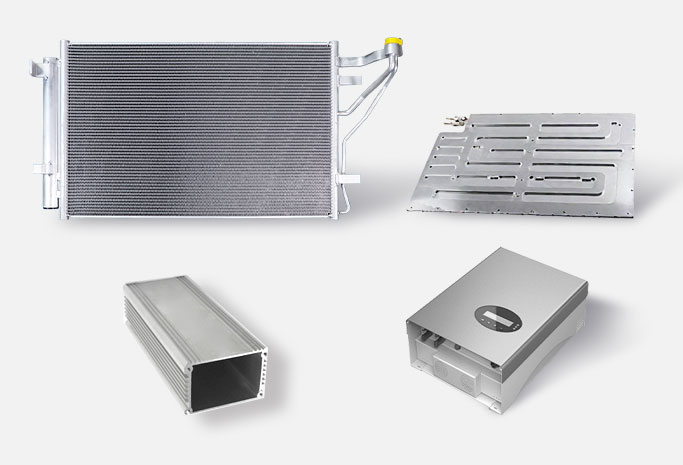
- Thermal management substrates – leveraging excellent thermal conductivity
The Practical Value of 99.7% Purity
99.7% purity is not just a number. For electrical applications, it means measurable conductivity gains, lower energy losses, and more dependable long‑term performance. Among commercial pure aluminium grades, 1070 offers the optimal trade‑off – better than 1050, yet far more cost‑effective than 1199. That is why 1070 aluminum foil purity remains a preferred specification for demanding electrical designs.
Henan Mingtai Aluminum has 28 years of production experience and supplies 1070 high‑purity foil that complies with ASTM B209 and EN 573‑3. Stable supply starts from 20 microns, in as‑rolled coils.
FAQ
Q: What is the minimum purity of 1070 aluminum foil?
A: Minimum aluminium content is 99.70%, with total impurities ≤ 0.30%.
Q: What is the electrical conductivity of 1070 aluminum foil?
A: Typically ≥ 61.5% IACS, with some products reaching 62–63% IACS.
Q: How does 1070 compare to 1050 aluminum foil?
A: 1070 offers higher purity (99.7% vs 99.5%) and slightly better electrical and thermal conductivity.
Q: How does 1070 compare to 1235 aluminum foil?
A: 1070 has about 15% lower DC resistivity (2.65 vs 3.1 μΩ·cm) due to its higher purity.
Q: What thicknesses are available for 1070 aluminum foil?
A: From 0.0053 mm to 0.2 mm, with stable supply starting at 20 microns (0.02 mm).