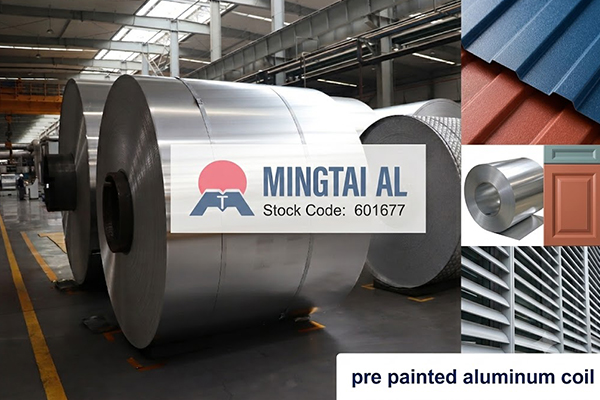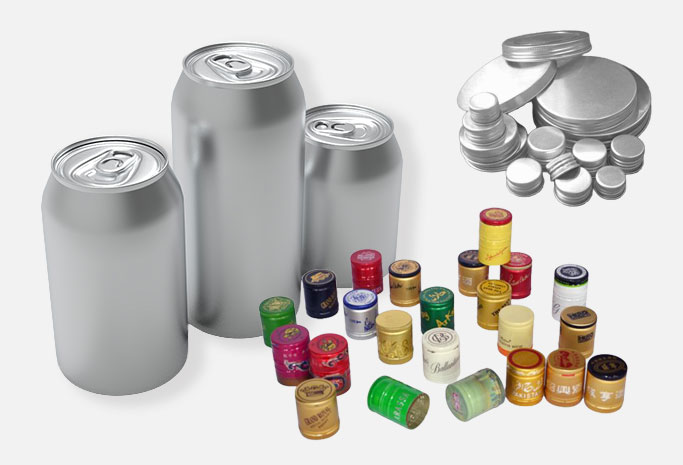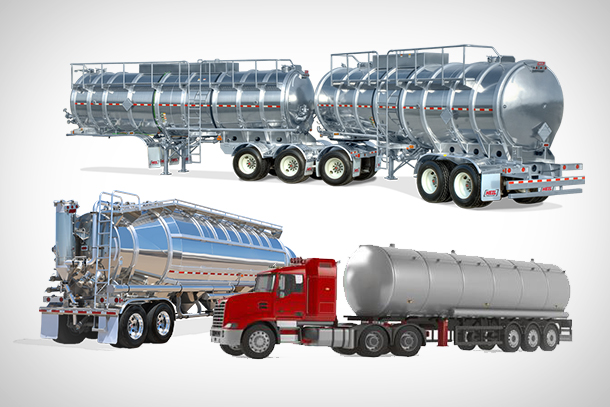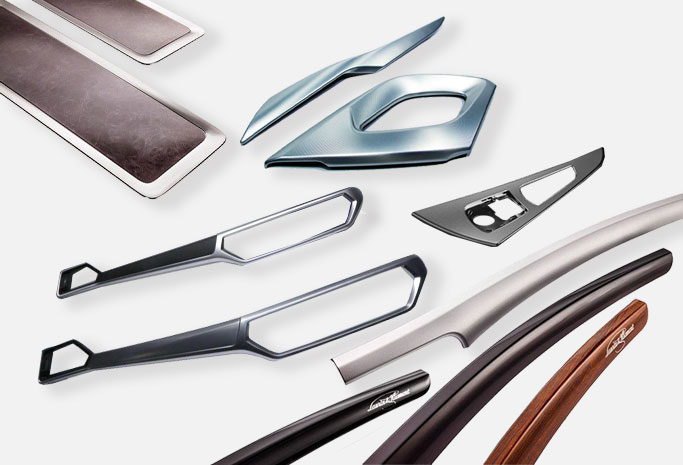
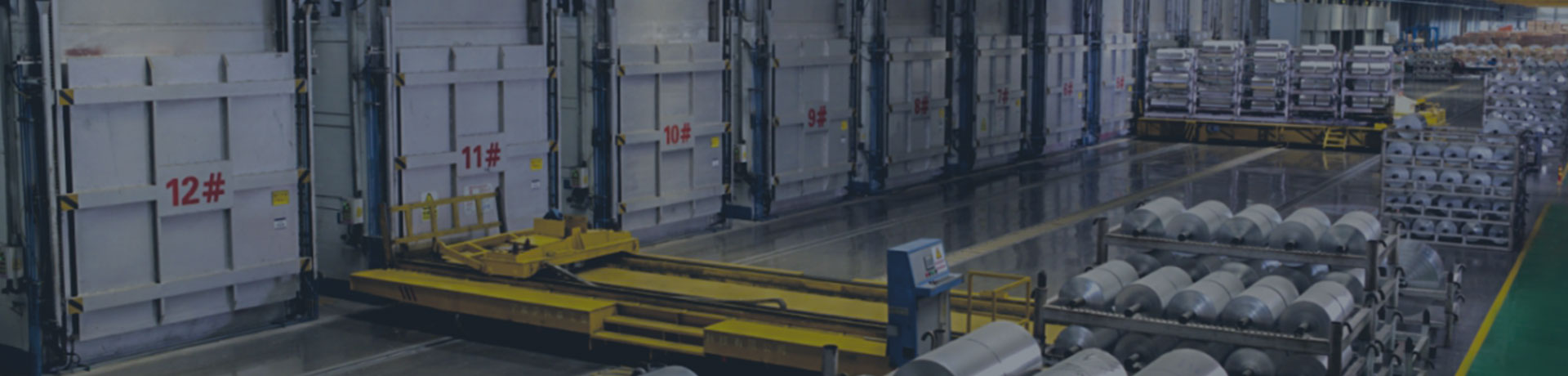
pre painted aluminum coil
Pre-painted aluminum coil is becoming a mainstream choice for modern building facades. But one question is often overlooked in decision‑making: have you chosen the right substrate?
Coating determines the appearance, but the substrate determines the lifespan. Cracking at bends, edge corrosion, panel deformation – these issues often originate from the substrate, not the coating itself. A good coating needs a reliable foundation.
Why Does the Substrate Matter So Much?
A pre‑painted coil consists of the substrate (mill finish aluminum), chemical pretreatment, and the coating layer. The substrate provides strength, formability, and impact resistance; the coating provides decoration and weather protection. They must work as a system – even the best topcoat cannot compensate for an improper substrate choice.
Three Main Alloys – How to Choose?
The most common alloys for facade coils are 3003, 3004, and 5005. What are the differences?
- 3003 (Al‑Mn) – Most widely used. Moderate strength, good formability, corrosion resistance. Suitable for flat panels and standard bending. Best cost‑performance for most projects.
- 3004 (Al‑Mn‑Mg) – Higher strength due to magnesium addition. Ideal for deep‑drawn parts or complex shapes. The 3xxx series is a preferred choice per facade specifications.
- 5005 (Al‑Mg) – Better salt‑spray corrosion resistance, often used in coastal buildings. Also considered when anodized finishes are required.
The core logic: choose based on the complexity of the design and the environment, not just the price.
Surface Quality – The Invisible Detail
The substrate surface must be flat, scratch‑free, and oil‑free. Oil contamination causes coating cratering and poor adhesion; scratches remain visible after painting; uneven oxide layers affect pretreatment. When sourcing, pay attention to the supplier’s rolling process and surface quality control.
Coating and Color – Common Questions
Two main coating types are used:
- Polyester (PE) – Cost‑effective, rich color options, suitable for general environments. Outdoor service life around 10–15 years.
- PVDF (Fluorocarbon) – Superior weather resistance, UV, acid rain, and salt spray resistance. Ideal for coastal or high‑UV areas. High‑end projects often require AAMA 2605 compliance.
For colors, white and gray dominate facade demand, with common RAL codes like 9001, 9002, 9012, etc. Custom colors and metallic effects add cost.
When Selecting Pre-Painted Aluminum Coil, Ask These Three Questions
1. What alloy and temper? The alloy grade (3003/3004/5005) and temper (H14/H24, etc.) determine formability and final strength.
2. What is the thickness tolerance? Industry standard is typically within ±0.02 mm – this directly affects coating line stability.
3. How is batch‑to‑batch consistency ensured? Variation in substrate properties forces frequent adjustments on the coating line, affecting yield and delivery.
Pre‑painted aluminum coil offers a better choice for modern facades – but that “better” is built on a reliable substrate. When evaluating, don’t just look at paint brands and color charts. Ask first: what alloy and surface condition is the aluminum in?
Henan Mingtai Al focuses on high‑quality mill finish aluminum coils, covering alloy series 1xxx to 8xxx, with thickness tolerance and shape control that meet demanding pre‑painting requirements – providing a solid foundation for your facade projects.
FAQ
Q1: What alloy is typically used for the substrate of pre‑painted facade coils?
A: 3003, 3004, and 5005 are the main choices, depending on forming complexity and corrosion resistance needs.
Q2: Does oil residue on the substrate affect painting?
A: Yes – it causes cratering and poor adhesion, so the substrate must be clean before coating.
Q3: Why does coating crack at bends?
A: Usually because the substrate has insufficient ductility or excessive internal stress, not a coating defect.
Q4: Do PVDF and PE coatings have the same substrate requirements?
A: No – PVDF demands higher surface flatness and adhesion because of its thinner film and higher curing temperature.
Q5: What substrate parameter should be checked first when sourcing pre‑painted coils?
A: The alloy and temper – they directly determine workability and final strength.