aluminum sheet for trailer flooring
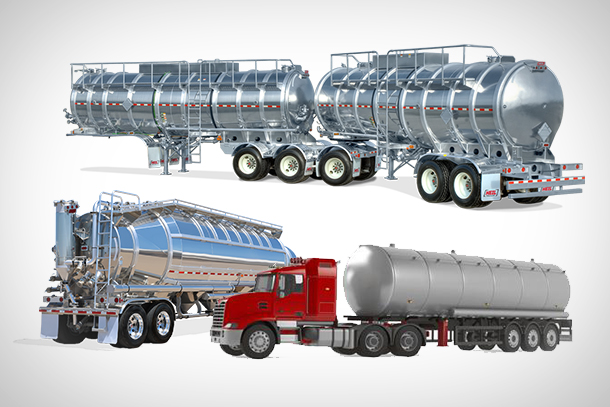
Trailer floors face daily friction from cargo, forklift traffic, rain and snow, and road salt. Choosing the right aluminum sheet for trailer flooring is not just about the material itself—it is about finding the balance between anti-slip safety and long-term durability. A slippery or worn-out floor affects not only repair costs but also transport efficiency and safety.
Why Anti-Slip and Durability Go Hand in Hand
Anti-slip affects job safety, while durability affects replacement costs. Patterned aluminum sheet combines both: raised patterns provide grip, and the base alloy determines wear and corrosion resistance.
The pattern is usually not attached afterward; it is formed together with the sheet during rolling, so it will not peel off.
Anti-Slip Performance: The Pattern Matters Most
There are three common patterns:
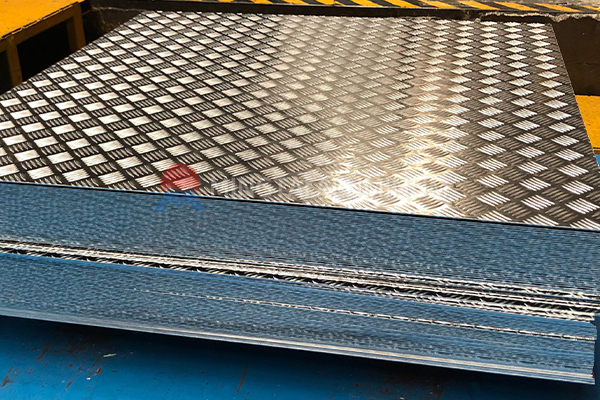
- Five-Bar (Willow Leaf): Versatile, suitable for most freight trailers.
- Diamond: Sharp raised edges, better grip in wet conditions.
- Lentil: Balances anti-slip and surface flatness.
Pattern height, density, and alloy hardness also affect how long the anti-slip performance lasts. The harder the alloy, the longer the pattern resists being worn flat.
Durability: Alloy Selection Is Key
Different alloys suit different service conditions:
- 3003: Economical, corrosion-resistant, suitable for general freight and refrigerated trailer floors.
- 5052: Higher strength, salt-spray resistant, suitable for coastal and high-frequency use.
- 5083: High strength, good low-temperature toughness, suitable for heavy-duty and refrigerated semi-trailers.
- 6061: High surface hardness, good wear resistance, suitable for frequent forklift operations.
No single alloy fits every trailer. First look at your transport routes, cargo type, and loading/unloading methods, then decide the alloy grade.
Thickness and Specifications: Thicker Is Not Always Better
Thickness should be based on maximum wheel load, forklift frequency, cargo type, and local regulations. Thinner sheets suit light trailers; heavy-duty and frequent forklift work require thicker specifications.
Too thick adds weight and reduces the lightweight advantage of aluminum. Before ordering, confirm alloy grade, temper, thickness tolerance, pattern type, and sheet dimensions.
Long-Term Value of Lightweight Design
Aluminum is less dense than steel. Switching to aluminum floors helps reduce overall vehicle weight, leaving more capacity for cargo and potentially lowering fuel consumption.
Aluminum sheets do not need frequent painting like steel, so long-term maintenance costs are more controllable. When selecting materials, consider purchase price, maintenance costs, and operating benefits together for a more accurate judgment.
What Else to Confirm Before Choosing?
- Service environment: Coastal, salt-spray, and humid areas require more attention to corrosion resistance.
- Load type: Concentrated and uniform loads have different thickness requirements.
- Installation method: Welding, bolting, or trim fixing affects edge design.
- Maintenance plan: If you want low maintenance and a long service cycle, choose the alloy more carefully.
The clearer this information is, the easier it is to find the right aluminum sheet.
Common Misconceptions
1. Looking only at the pattern, not the alloy. The same pattern can perform very differently in wear resistance.
2. Assuming thicker is always better. Thickness is not the only indicator; weight also matters.
3. Ignoring the service environment. Coastal, salt-spray, and humid areas need more attention to corrosion resistance.
4. Overlooking how the pattern is formed. A pattern integrated with the base material is more reliable.
Please note that we supply the aluminum sheet itself in various alloys and specifications; we do not provide surface treatment or further processing.
If you are looking for a durable, anti-slip aluminum sheet for trailer flooring, Henan Mingtai Al offers multiple grades of patterned aluminum sheet and can help confirm specifications and quotes. Contact us to learn more.
FAQ
Q: What aluminum alloys are commonly used for trailer flooring?
A: 3003, 5052, 5083, and 6061 are common choices, depending on actual service conditions.
Q: Can the floor still be anti-slip after the pattern wears down?
A: The pattern becomes shallower with wear, but high-quality alloys extend effective anti-slip performance.
Q: Is aluminum flooring lighter than steel flooring?
A: Yes, aluminum is less dense than steel, so aluminum sheets are usually lighter for the same volume.
Q: Is a thicker sheet always better?
A: Not necessarily; too thick adds weight, so choose based on load and working method.