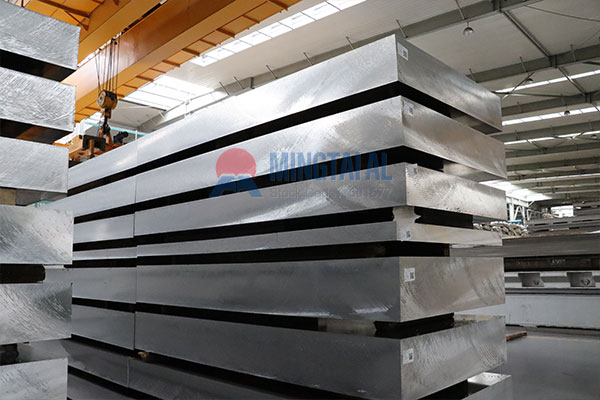
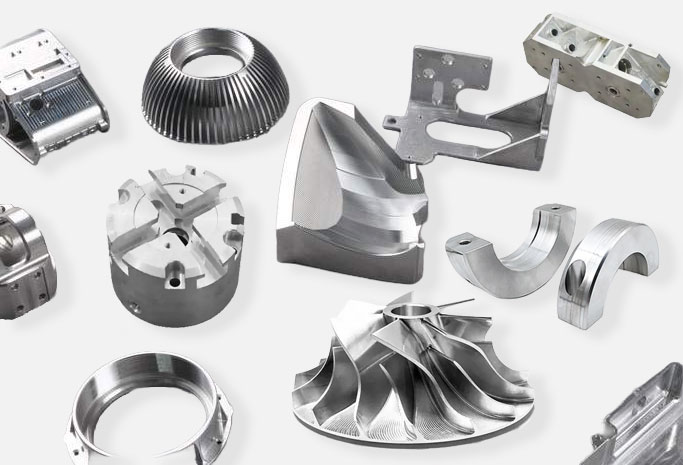
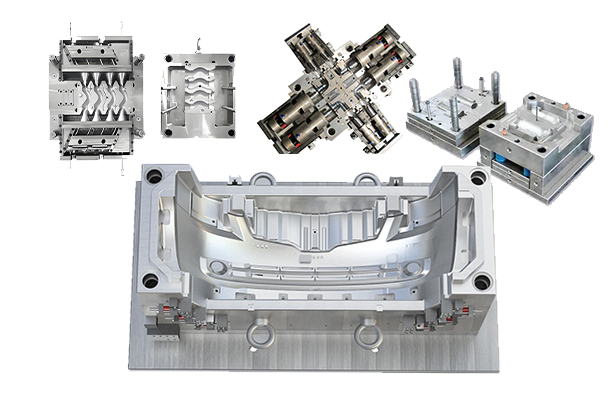
aluminum plate saw cutting
When processing aluminum plates, two common methods are aluminum plate saw cutting and laser cutting. One is a mechanical process that uses physical blades to separate material; the other uses a high-energy beam to melt and vaporize the metal. Each has clear strengths, but they serve very different applications. The real question is not which is “better” – it’s which one fits your project’s thickness, precision needs, and budget. This comparison covers the key factors to help you decide with confidence.
Saw Cutting: Reliable for Thick Plates
Saw cutting excels at handling heavy-gauge material. Industrial plate saws can consistently cut aluminum up to 8 inches (≈203 mm) thick, with some models capable of processing 30‑inch (≈762 mm) slabs. For plates over 40 mm, saw cutting remains the go‑to choice.
Key advantages:
- Handles a wide thickness range, from thin to ultra‑thick
- No heat‑affected zone – material properties stay intact
- Lower equipment investment compared to high‑power laser systems
- Efficient for large‑volume straight cuts, such as structural blanks and die blocks
Limitations to consider:
- Primarily straight‑line cutting; complex shapes require secondary operations
- Precision is good (tolerances around ±0.005″ for high‑end saws, typically ±0.030″ for standard cuts), but not as tight as laser on very thin sheets
- Wider kerf means slightly more material waste
For thick plates, saw cutting offers proven reliability and cost efficiency.
Laser Cutting: Precision for Thin to Medium Plates
Laser cutting shines on thin and medium thicknesses, but thickness is its ceiling. Aluminum’s high reflectivity and thermal conductivity demand more power than cutting steel. Here is a typical capability range by laser power:
|
Laser Power |
Maximum Aluminum Thickness (Quality / Limit) |
|
3 kW |
8 / 10 mm |
|
6 kW |
14 / 16 mm |
|
12 kW |
25 / 30 mm |
|
20 kW |
35 / 40 mm |
Why choose laser?
- Exceptional precision – tolerances down to ±0.1 mm, with smooth edges
- Narrow kerf (0.1–0.3 mm) – higher material utilisation
- Unlimited 2D shapes – complex contours in one pass
- Fast cutting speeds on thin sheets, ideal for high‑volume production
Drawbacks:
- Struggles above 30–40 mm – both quality and speed drop sharply
- High capital cost (often tens to hundreds of thousands of dollars)
- Thick plates cut slowly and may produce dross (melted residue) on the bottom edge
- Thermal effects can alter material properties near the cut edge
Thickness – The Key Differentiator
Thickness is the primary decision filter. Saw cutting becomes more advantageous as plates get thicker, while laser cutting excels at thinner gauges.
General guidelines:
- Below 15 mm – Laser wins on speed, precision, and shape complexity.
- 15 – 40 mm – Both are feasible; evaluate your specific equipment, accuracy needs, and cost constraints.
- Above 40 mm – Saw cutting is the more reliable and economical route.
No single method fits all – match the process to your actual thickness range.
Trade‑offs: Precision, Shape, and Cost
Precision – Laser offers tighter tolerances, but do you really need them? If your cut plate will go through milling or other machining later, saw accuracy is usually sufficient. If the cut part is the final product, then laser’s edge quality becomes valuable.
Shape – Laser handles any 2D profile in one operation; sawing is best for straight cuts. Choose laser for intricate parts, sawing for rectangles or simple strips.
Cost – Sawing has lower initial investment and consumes blades and maintenance. Laser has higher upfront cost but narrower kerf saves material. For thick plates, sawing typically offers lower overall cost; for thin, high‑volume runs, laser’s speed can reduce per‑part expense.
How to Choose the Right Method for Your Project?
Ask yourself these four questions before deciding:
- How thick is your plate? – Over 40 mm? Saw cutting is the safe bet.
- How complex are your shapes? – Curves and holes → laser; straight lines → saw.
- What tolerance is truly required? – Sub‑millimetre → laser; standard industrial tolerances → saw is enough.
- What is your investment capacity? – High‑power lasers are expensive; ensure your throughput justifies the cost.
There is no universal “best” – only the best fit for your specific job. Evaluate each factor honestly, and you will find the right balance between quality and cost.
*This article focuses on the cutting process itself and does not cover surface treatment or further processing of aluminum sheets.*
FAQ
Q: Above what thickness should I prefer saw cutting over laser?
A: Generally above 40 mm; for 20–40 mm, compare power, cost, and quality requirements.
Q: Which method gives higher precision – saw or laser?
A: Laser (down to ±0.1 mm), but precision saws can achieve ±0.005″ (≈0.13 mm), which is adequate for most industrial uses.
Q: Why is laser cutting aluminum harder than cutting steel?
A: Aluminum reflects and conducts heat away quickly, requiring more laser power to cut effectively.
Q: Does saw cutting affect the material’s properties?
A: No – it is a cold mechanical process, so there is no heat‑affected zone.
Q: Which is more cost‑effective overall?
A: It depends on thickness and volume – sawing for thick plates, laser for thin high‑volume production often wins.
Mingtai Aluminum supplies a broad range of aluminum plate alloys and tempers to suit your cutting and fabrication needs. Reach out to our team with your specifications – we will help you select the optimal material for your application.