aluminum foil pinhole standard
The aluminum foil pinhole standard is a key checkpoint in quality inspection. Pinholes do not automatically mean rejection, but pinholes beyond the specified limits are a quality issue. Many disputes are not about the pinholes themselves; they come from unclear agreements. The supplier says the foil meets the standard, while the application may still require better barrier performance. Defining the standard system, test method, and responsibility for out-of-spec material before shipment is far more effective than arguing after the fact.
Pinholes Are About Size and Density, Not Simple Presence
Aluminum foil is rolled to micron-level thickness, so a completely pinhole-free surface is not realistic. The thinner the foil, the higher the chance of pinholes. What matters is not whether pinholes exist, but whether their diameter and density fall within the allowed range of the relevant standard.
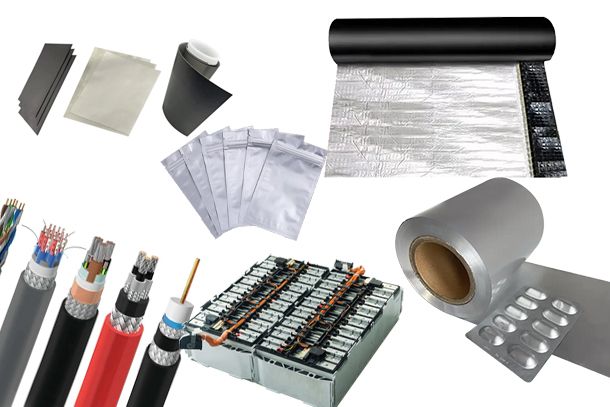
Pinholes affect moisture, gas, and light barrier performance. Pharmaceutical, food, and battery applications are more sensitive to pinholes; general packaging is more tolerant. Before discussing limits, confirm the application.
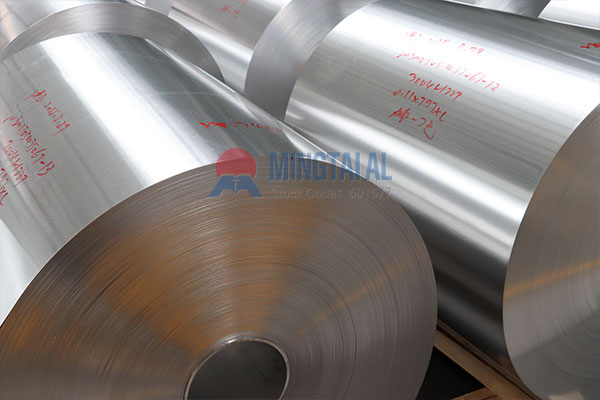
Pinholes form during rolling and thinning. They are a property of the base foil. After the base foil leaves production, no surface treatment or further processing is done to change the pinhole level of the base material. This means the supplier's rolling control directly determines pinhole performance.
Main Standards at a Glance
- ASTM B926 / ASTM B479: Common in the U.S. system and for exports to the United States. B926 covers test methods; B479 defines defect judgment.
- GB/T 3198 + GB/T 22638.2: General Chinese standards, often used for domestic supply.
- YBB 00152002: Specific to pharmaceutical packaging, with stricter requirements than general standards.
- Industry practice: Food flexible packaging, power batteries, and other fields may have tighter internal limits.
A clear aluminum foil pinhole standard in the agreement prevents both over-rejection and under-rejection. Write down the standard number, version, test method, and sampling plan. Do not simply say "meets national standard."
Limits Differ by Application
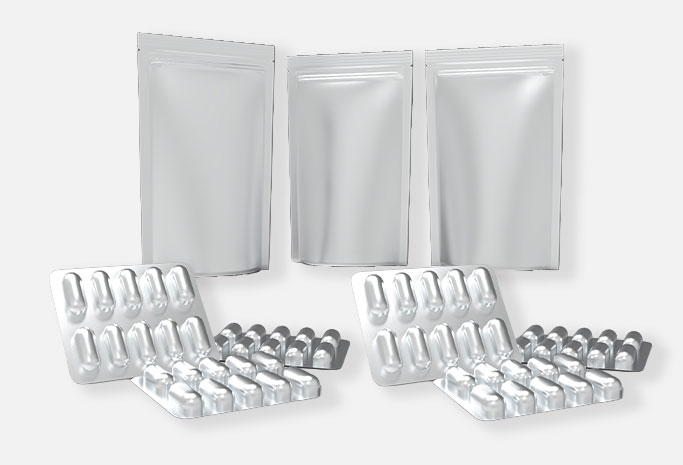
- Pharmaceutical packaging: The strictest. Pinholes above a certain diameter are not allowed, and density limits are very low. Lyophilized drugs and similar products are even stricter.
- Food flexible packaging: Limits are often graded by thickness, with controlled pinhole diameter and density.
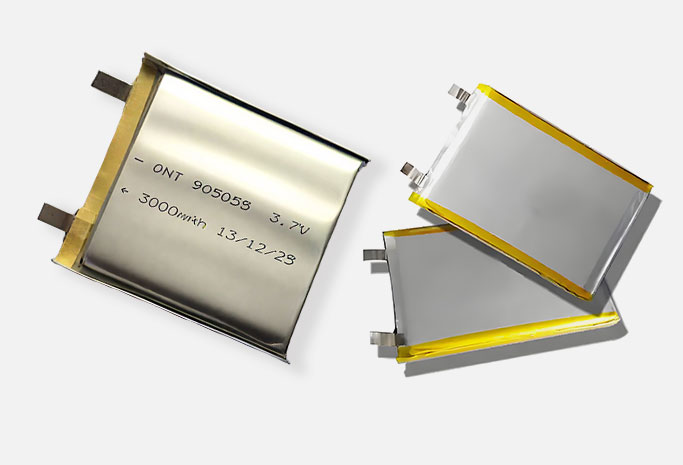
- Battery pouches: Power battery and EV-grade foils require very low pinhole density because safety is directly affected.
- Household foil: More tolerant, and thin gauges may allow higher density.
Confirm the application first, then put the matching limits into the specification. Do not wait until incoming material arrives to debate acceptance.
Incoming Inspection and Supply Agreement Points
1. Request batch reports: Each batch should include pinhole inspection data, with standard number, sampling plan, inspection area, and diameter distribution.
2. Do quick checks: Use the light table method for visual counting and AQL sampling for routine checks. For high-requirement uses, review online laser scanning records.
3. Set clear terms: Define standard number, diameter threshold, density limit, test method, and responsibility for out-of-spec material.
4. Separate base-foil pinholes from crease micro-holes: Micro-holes caused by transport bending are downstream damage, not a base-foil issue.
5. Keep samples and records: If a dispute arises, batch and test conditions can be traced, avoiding unclear responsibility.
How to Judge a Supplier's Pinhole Control
Ask three questions: Is there online pinhole inspection? Are batch-to-batch data stable? Is a low price linked to relaxed pinhole control?
Also check whether inspection reports are complete, batch traceability is clear, and abnormal issues are handled promptly. Cheap foil with more pinholes often brings higher complaint and return costs later. Choosing a supplier is, in essence, choosing rolling control capability.
FAQ
Q1: Does a pinhole in aluminum foil always mean a defect?
A: No. If diameter and density are within the relevant standard limits, it is acceptable.
Q2: Why are pharmaceutical foil pinhole requirements stricter?
A: Pinholes directly affect drug barrier performance and safety, so limits are tighter.
Q3: Does thinner aluminum foil have more pinholes?
A: Yes. The thinner the foil, the higher the chance of pinholes during rolling.
Q4: Can surface treatment remove pinholes?
A: No. Pinholes are formed during rolling and are a base-foil property.
Q5: How should pinhole requirements be written into a supply agreement?
A: Include the standard number, diameter threshold, density limit, test method, and responsibility for out-of-spec material.
Where Quality Begins
Henan Mingtai China focuses on aluminum foil base production, with pinhole density controlled to ASTM, GB/T, and industry-specific standards. Every batch can be supplied with inspection data; contact us for specifications and samples.