8011 aluminum foil for pharmaceutical
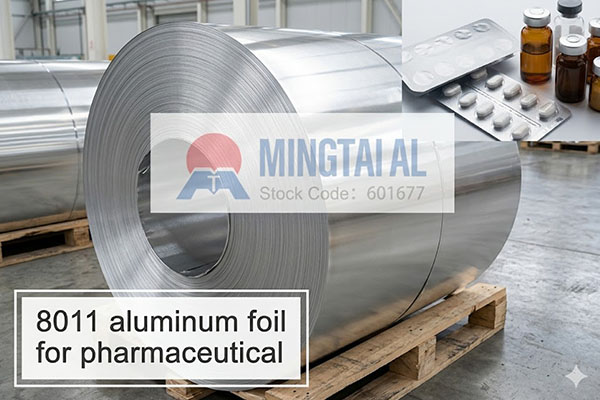
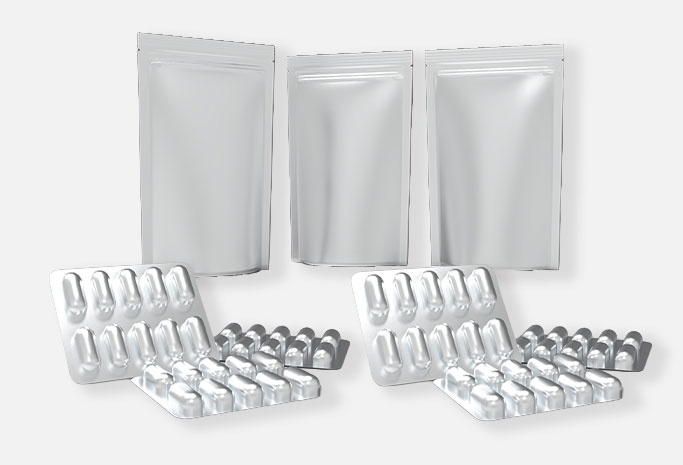
Pharmaceutical packaging is not ordinary packaging. A single tablet can go through heat, humidity, and long‑distance transport before reaching the patient. If the barrier performance fails, the drug may become ineffective or even toxic. That is why 8011 aluminum foil for pharmaceutical applications has become one of the most widely used materials for blister and strip packaging worldwide, thanks to its nearly perfect protection against moisture, oxygen, and light.
What makes 8011 aluminum foil the right choice for drug packaging
The 8011 alloy adds a small amount of silicon and iron to pure aluminum. This gives it higher mechanical strength than ordinary pure aluminum foils (such as 1235 or 1100), while still maintaining good formability. In real‑world pharmaceutical packaging, this translates into several practical benefits:
- Smooth running on high‑speed lines – the tensile strength of 8011 foil reduces the risk of web breaks, cutting downtime.
- Reliable heat seal – it bonds firmly with PVC, PVDC and other blister materials, ensuring each cavity stays airtight.
- Good print and lamination adhesion – the surface wetting tension is high enough to prevent ink peeling or delamination.
- Uniform thickness and batch consistency – tight thickness control means uniform seal strength across the entire roll.
Compliance requirements for pharmaceutical grade aluminum foil
Because the foil directly contacts the drug, it must meet the pharmacopoeia and standard requirements of the target market. Before placing an order, confirm that the supplier can provide documentation for the following:
- Pharmacopoeia standards – USP (United States Pharmacopeia), EP (European Pharmacopoeia), ChP (Chinese Pharmacopoeia), with special attention to limits on heavy metals and extractables.
- International standards – ASTM B479 (aluminum foil specification), ISO 15378 (GMP for primary packaging materials for medicinal products).
- Key tests – pinhole detection, seal strength, water vapor / oxygen transmission rate, surface wetting tension, and microbiological limits.
For shipments to the US or EU, also check whether the supplier has a full traceability system and understands local customs clearance requirements.
A simple checklist for ordering 8011 pharmaceutical foil
To avoid specification mistakes, go through these items with your supplier:
- Alloy grade: 8011 (specify pharmaceutical grade, not industrial grade)
- Temper: H18 (hard temper) – the standard choice for pharmaceutical foil
- Thickness: select from the usual pharmaceutical range according to your packaging line
- Width: customised to the guide rails of your blister machine
- Core inner diameter: typically 76 mm or 152 mm
- Outer diameter and roll weight: discuss based on shipping and machine convenience
- Surface wetting tension: recommended at least 32 dynes/cm for good printing or lamination
- Packaging: export‑grade wooden cases or pallets with moisture and impact protection
After receiving samples, always run a trial on your packaging line to confirm heat seal strength and web handling performance before placing a bulk order.
How to evaluate a reliable supplier of pharmaceutical aluminum foil
Price is not the only factor. Look at these aspects to make a sound decision:
- Production capacity and stock – can they supply large volumes steadily? Do they have backup production lines?
- Quality control system – are they ISO 9001 or ISO 15378 certified? Is there on‑line pinhole detection on the line?
- Export experience – are they familiar with the pharmacopoeia requirements and shipping documents (COA, certificate of origin, free sale certificate) of your market?
- Sample and testing support – can they provide free samples for heat seal, ageing, and peel tests?
- After‑sales service – how fast do they respond to quality issues? Is the resolution process transparent?
Three details that are easy to overlook when buying
- Pinhole count matters more than price – cheap foil often has a higher pinhole rate, leading to failed airtightness. The loss from scrapping a whole batch of drugs is far greater than the price difference of the foil.
- Width tolerance affects line efficiency – uneven width causes wandering and folding on the packaging line, resulting in frequent stops.
- Do not use industrial grade foil – industrial grade has different standards for surface cleanliness and residual oil, which may contaminate the drug.
FAQ
Q1: What is the minimum order quantity for 8011 aluminum foil for pharmaceutical use?
A: Usually 5 metric tons, but it can be negotiated based on your purchase plan.
Q2: Can I get a sample for on‑line testing?
A: Yes, free A4‑sized samples are available for heat seal and web‑running tests.
Q3: What is the typical lead time?
A: About 20–30 days after order confirmation, depending on quantity and specifications.
Q4: Does the foil meet FDA or EU standards?
A: Yes, with corresponding test reports and compliance statements provided.
Q5: What is the difference between 8011 and 8021? How to choose?
A: 8011 has slightly higher mechanical strength, suitable for high‑speed lines; 8021 offers better elongation for deep‑draw cold‑forming foil.
Mingtai Aluminum supplies high‑quality 8011 aluminum foil for pharmaceutical packaging with full certifications. Request a quote or sample today.