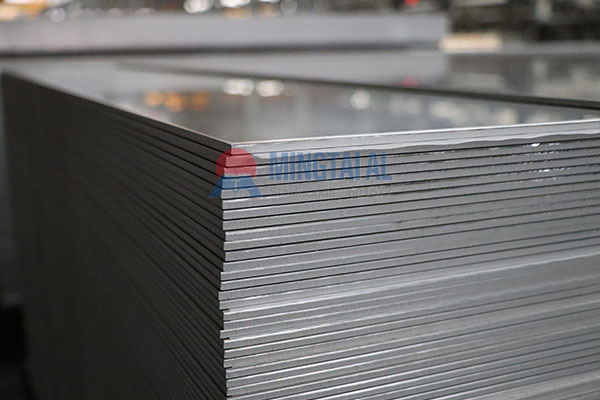
5052-H32 aluminum sheet
When it comes to sheet metal fabrication, the material you choose sets the ceiling for product quality and the floor for production cost. Among the many aluminum grades available, 5052-H32 aluminum sheet has earned a lasting reputation across mold making, marine, electronics, and automotive industries — and for good reason.
What Makes 5052 Aluminum Sheet Stand Out
5052 belongs to the aluminum-magnesium (Al-Mg) family, often called "rust-proof aluminum." It's one of the most widely used grades in the 5xxx series. The core alloying element is magnesium, typically ranging from 2.2% to 2.8%, with small additions of iron, silicon, copper, and zinc.
What really defines this grade is its resistance to corrosion. It performs well in atmosphere, fresh water, seawater, and many chemical environments. That's why it's a natural fit for marine and chemical equipment applications.
Five Core Performance Advantages
- Excellent corrosion resistance: Handles marine climates and industrial atmospheres with ease — a staple for shipbuilding and chemical processing equipment.
- Good weldability: Whether TIG or resistance welding, the weld seam holds strong with minimal risk of hot cracking.
- High strength-to-weight ratio: At a density of just 2.7 g/cm³, it's significantly stronger than pure aluminum while staying lightweight.
- Great formability: Cold bending, stretching, and stamping all work well, making it ideal for complex sheet metal bending and deep drawing.
- Decent fatigue strength: Stable under cyclic loading, suitable for bridge structures and transportation equipment.
Understanding the H32 Temper
H32 is the most common and classic temper for 5052 aluminum sheet. It means the material has been strain-hardened and then stabilized through a low-temperature annealing process, resulting in a quarter-hard condition.
The key benefit? It sits right in the middle — softer than full-hard tempers (H38/H24) for better formability, yet stronger than annealed (O temper) material. That balance is exactly what sheet metal fabrication demands.
Mechanical Properties at a Glance
According to GB/T 3880-2012, the key mechanical indicators for 5052-H32 aluminum sheet are:
|
Property |
Standard Value |
What It Means |
|
Tensile Strength (Rm) |
210–260 MPa |
Resistance to fracture |
|
Yield Strength (Rp0.2) |
≥ 130 MPa |
Starting point of plastic deformation |
|
Elongation (A) |
≥ 6% (thickness ≤ 6mm) |
Limit of deformation during bending and stretching |
|
Hardness (HV) |
Approx. 63–70 |
Basis for surface wear and scratch resistance |
Compared to O temper — which typically shows tensile strength around 170–215 MPa and yield strength near 65 MPa — H32 offers a clear strength boost while maintaining enough ductility for stamping and bending. That combination of strength and plasticity is its strongest selling point.
Why Sheet Metal Fabricators Prefer 5052-H32
Sheet metal work involves cutting, bending, stamping, and welding. A material that's too soft deforms easily; too hard, and it cracks. 5052-H32 hits the sweet spot:
1. Forms without cracking: The quarter-hard state retains good plasticity, so deep drawing, flanging, and bending rarely produce cracks.
2. Minimal springback: Compared to O temper, it's easier to control springback, keeping finished dimensions stable — especially important for batch production.
3. Stable welding: The stabilization treatment ensures consistent post-weld performance, making it reliable for structural components.
4. Cost-effective: Its overall performance approaches medium-strength alloys, but the price and processing costs stay manageable.
With that combination of corrosion resistance, weldability, and formability, 5052-H32 aluminum sheet finds its way into a remarkably wide range of industrial applications:
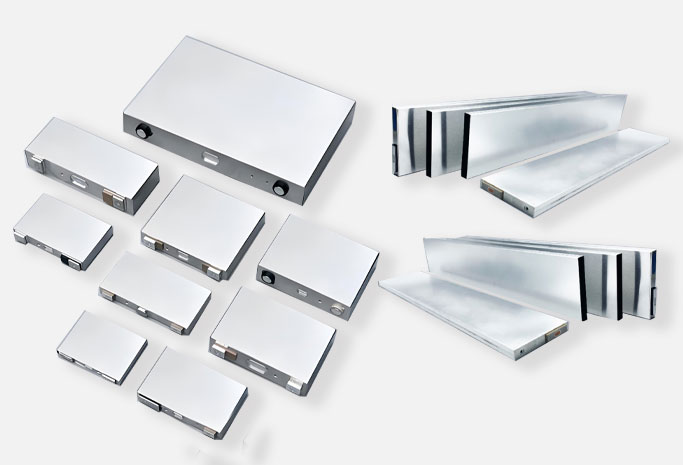
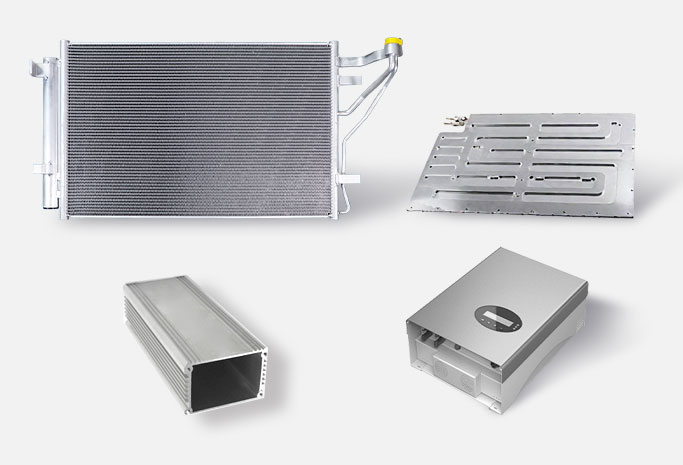
- Sheet metal enclosures and cabinets: Electronic housings, electrical cabinets, fan covers — stamped and bent in one pass.
- Marine and vehicle parts: Ship interiors, fuel tanks, automotive components — winning on corrosion resistance and weight savings.
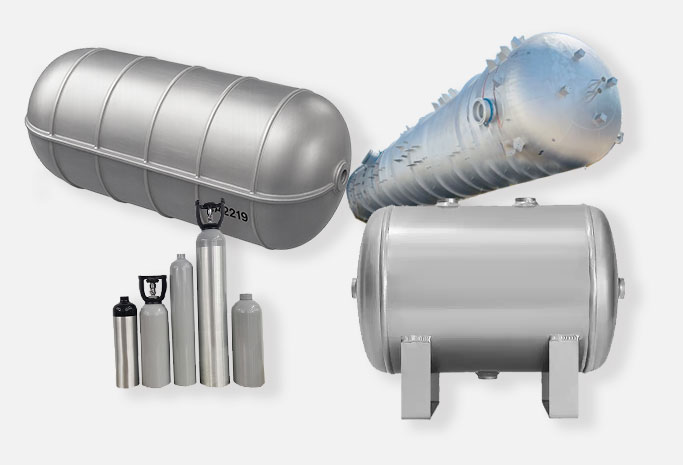
- Pressure vessels and chemical equipment: Tanks and storage vessels where corrosion resistance is non-negotiable.
- Hardware and signage: Sign plates and enclosure parts that need good surface finishing.
- Lighting and ventilation: Lamps, ventilation ducts, and other thin-gauge stamped parts.
FAQ
Q: Is 5052-H32 the same as marine grade aluminum?
A: Yes, 5052 is commonly considered a marine-grade alloy due to its strong seawater corrosion resistance.
Q: Can 5052-H32 be welded?
A: Absolutely. It welds well with TIG and resistance methods, producing strong, crack-resistant joints.
Q: What's the difference between H32 and O temper?
A: H32 is quarter-hard and stronger, while O temper is fully annealed and softer but more formable.
Q: Can 5052-H32 be anodized?
A: It can be anodized, though the finish may appear slightly different from 6xxx series alloys.
Q: What thicknesses are available?
A: Available thicknesses vary by supplier and application — check with your material provider for specific options.
For reliable 5052-H32 aluminum sheet sourced directly from a trusted manufacturer, Henan Mingtai Al Industry offers consistent quality and dependable supply to meet your fabrication needs.